
Nutrition Plans for Male Athletes
Discover comprehensive nutrition strategies designed specifically for athletic performance, muscle development, and sustained energy. Learn how proper nutrition fuels athletic excellence.
The information on this site is for educational purposes only and does not constitute medical advice. Always consult a qualified healthcare professional before making health decisions.
Why Nutrition Matters for Athletic Excellence
Proper nutrition is the foundation of athletic performance. It supports muscle recovery, enhances energy levels, and optimizes training outcomes. Understanding your nutritional needs is essential for reaching peak performance.
Male athletes have unique nutritional requirements that differ from sedentary populations. The demands of strength training, endurance activities, and competitive sports require strategic macro and micronutrient planning. Every meal becomes an opportunity to support your athletic goals.
A well-designed nutrition plan considers your training phase, sport type, body composition goals, and recovery needs. Whether you're building lean muscle, improving cardiovascular endurance, or enhancing power output, nutrition plays a critical role in your success.
Our approach focuses on real-world implementation. We believe in practical, sustainable nutrition strategies that fit your lifestyle while maximizing your athletic potential. No extreme restrictions—just smart, evidence-based eating that works.
Core Features of Our Nutrition Approach
Whole Food Foundation
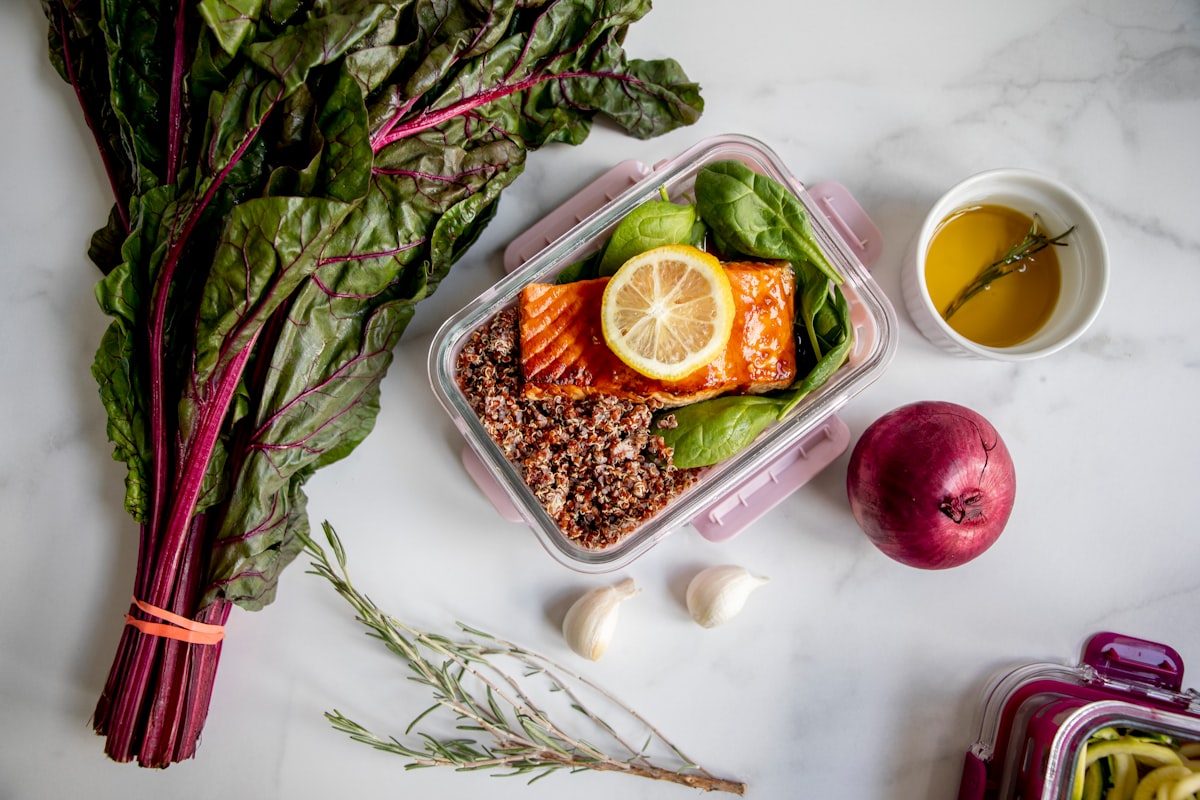
Plans emphasize whole, nutrient-dense foods including lean proteins, complex carbohydrates, healthy fats, and colorful vegetables. Processed foods are minimized in favor of ingredients that fuel your body optimally.
Macro Optimization
Protein intake is calibrated for muscle adaptation. Carbohydrates are timed around training for energy and recovery. Fat ratios support hormone production. Each macronutrient serves a specific purpose in your athletic development.
Micronutrient Focus
Essential vitamins and minerals support energy production, immune function, and joint health. Strategic supplementation addresses common athlete deficiencies without replacing whole food nutrition.
Timing Strategies
Pre-workout nutrition fuels your training. Post-workout meals support muscle recovery and adaptation. Daily meal timing maximizes energy availability and training performance throughout your athletic schedule.
Sport-Specific Plans
Whether you focus on strength training, endurance, team sports, or combat sports, nutrition requirements vary. Our plans account for your specific athletic discipline and training demands.
Practical Implementation
Plans include meal ideas, shopping lists, and preparation tips. No complicated recipes—just straightforward, delicious foods you can prepare quickly and enjoy consistently.
Signature Nutrition Programs
Muscle Building Blueprint
Designed for strength athletes and bodybuilders seeking lean muscle development. This program prioritizes adequate protein intake (0.8–1g per pound of body weight), strategic carbohydrate timing around training sessions, and caloric surpluses during bulking phases. Includes guidance on progressive overload nutrition and recovery optimization.
- Protein distribution across 4-5 meals daily
- Carb cycling based on training intensity
- Progressive caloric adjustments
Endurance Performance Plan
Created for runners, cyclists, swimmers, and endurance athletes. This program emphasizes sustained energy, efficient fuel utilization, and aerobic capacity. Includes carbohydrate loading strategies, hydration protocols, and race-day nutrition planning to maintain consistent output over extended durations.
- Periodized carbohydrate strategies
- Hydration and electrolyte guidelines
- Race-day fueling protocols
Power & Strength Protocol
Optimized for powerlifters, sprinters, and explosive sport athletes. This program focuses on explosive energy systems, quick muscle recovery, and strength-to-weight ratio optimization. Includes nutrient timing for power output, strength maintenance during competition phases, and rapid adaptation strategies.
- Peak power nutrition timing
- Competition phase fueling
- Strength preservation strategies
Lean Athlete Optimization
For athletes in weight-class sports or those seeking minimal body fat while maintaining muscle. This program balances caloric deficit with adequate protein intake, preserves strength during fat loss phases, and maintains athletic performance while improving body composition.
- Controlled caloric deficit
- Muscle preservation strategies
- Energy management for competition
Team Sport Fueling
Developed for team sport athletes who need sustained energy, quick recovery between matches, and consistent performance across multiple games per week. Includes strategies for travel nutrition, game-day fueling, and tournament preparation.
- Game-day pre-competition meals
- Between-match recovery nutrition
- Travel-friendly meal options
Recovery & Longevity Plan
Focuses on sustainable athletic careers through anti-inflammatory nutrition, joint support, injury prevention, and long-term health maintenance. This program emphasizes nutrient density, antioxidant intake, and lifestyle sustainability for athletes planning extended competitive careers.
- Anti-inflammatory food strategies
- Joint and connective tissue support
- Long-term sustainability principles
How We Create Your Custom Plan
Assessment & Goal Definition
We begin by understanding your sport, current fitness level, training schedule, dietary preferences, and performance goals. This comprehensive assessment ensures your nutrition plan aligns with your unique athletic needs and lifestyle constraints.
Plan Design & Customization
Based on your assessment, we design a detailed nutrition plan including daily meal frameworks, macro targets, meal timing recommendations, and food lists. Every plan is customized to your preferences, allergies, and practical ability to implement consistently.
Implementation & Optimization
You receive practical guidance on meal preparation, shopping strategies, and real-world application. Our approach emphasizes sustainable habits over perfection, allowing you to integrate proper nutrition into your daily training life.
Key Components in Every Plan
Macronutrient Framework
-
Protein Strategy: Calculated based on your body weight and training phase. Typically 0.7–1.2g per pound for muscle-focused athletes, with distribution across daily meals for optimal muscle protein synthesis.
-
Carbohydrate Periodization: Adjusted based on training intensity, duration, and phase. High on heavy training days, moderate on light days, creating an optimal fuel environment for your specific workouts.
-
Fat Optimization: 20–35% of total calories from diverse fat sources supporting hormone production, nutrient absorption, and sustained energy for endurance activities.
Micronutrient & Supplementation
-
Essential Vitamins & Minerals: Guidance on iron, calcium, magnesium, zinc, and B-vitamins crucial for energy production, bone health, and immune function in athletes.
-
Strategic Supplementation: Evidence-based recommendations for common athlete supplements like creatine, electrolytes, or omega-3s, only when food sources are insufficient.
-
Hydration Protocol: Daily fluid intake targets and timing strategies, especially during training and competition to maintain performance and prevent dehydration.
Common Questions About Athlete Nutrition
Protein needs vary based on your training type and body composition goals. Strength athletes typically require 0.8–1.2 grams per pound of body weight daily, spread across 4–5 meals to optimize muscle protein synthesis. Endurance athletes need slightly less—around 0.6–0.8 grams per pound—as their primary focus is energy availability. The key is distributing protein throughout the day rather than consuming it all at once, which allows your muscles to continuously access amino acids for adaptation and recovery.
Pre-workout nutrition timing depends on meal size and your digestive system. A large meal (400–600 calories) is best consumed 2–3 hours before training, allowing full digestion. A smaller snack (100–200 calories) can be eaten 30–60 minutes before activity. Focus on easily digestible carbohydrates and moderate protein while minimizing high-fat or high-fiber foods that could cause discomfort. Popular pre-workout options include a banana with almond butter, a rice cake with honey, or a small energy bar.
Post-workout meals should contain both carbohydrates and protein consumed within 1–2 hours after training. A typical post-workout meal might include 30–40 grams of lean protein (chicken, fish, eggs) combined with 40–80 grams of carbohydrates (rice, potatoes, pasta) and some vegetables. This combination replenishes muscle glycogen stores, stimulates muscle protein synthesis, and supports recovery. The exact amounts depend on your body size and the intensity of your training session.
Building muscle on a caloric deficit is challenging but possible, particularly for athletes new to strength training or returning from a break. Success requires high protein intake (1+ gram per pound), consistent progressive training, and a modest deficit (300–500 calories below maintenance). This approach works best when you're highly focused on strength metrics rather than maximizing muscle size. Most athletes will see better muscle development results during slight caloric surpluses, reserving deficits for body composition refinement rather than muscle building.
Most athletes can achieve excellent performance using whole foods alone. However, some supplements like creatine monohydrate have strong evidence supporting enhanced strength and power output. Protein powder serves as a convenient alternative when whole food protein is impractical. Electrolyte supplements become important for endurance activities exceeding 60 minutes or high-sweat conditions. A foundational approach: master your whole food nutrition first, then selectively add evidence-based supplements that address specific gaps or performance goals.
Travel nutrition requires planning. Bring portable protein sources like Greek yogurt, nuts, jerky, or protein powder. Research restaurant options near your accommodation and identify chains where you can consistently find balanced meals. Pack familiar snacks to avoid digestive upset from unknown foods before competition. Stay hydrated, adjust meal timing gradually if crossing time zones, and avoid trying new foods immediately before major events. The goal is consistency—stable energy and familiar foods that allow you to focus on competing, not managing unexpected digestive issues.
Benefits Comparison: Nutrition Approaches
Understanding different nutrition strategies helps you choose the approach that best aligns with your athletic goals and lifestyle.
| Approach | Best For |
|---|